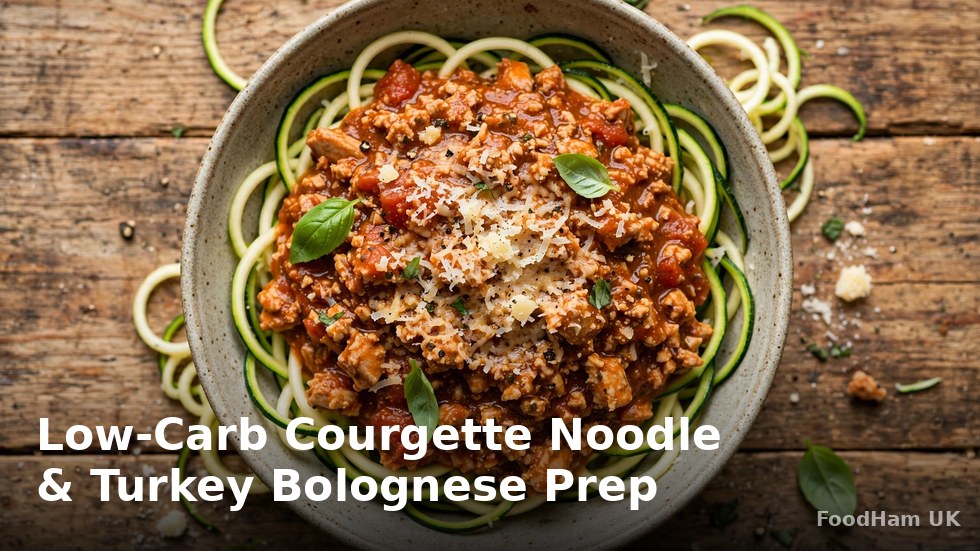
Low-Carb Courgette Noodle & Turkey Bolognese Prep
This low carb turkey bolognese prep is built for people who love a proper bolognese but want the carbs — and the calories — dialled down. Lean turkey mince simmered low and slow with tomatoes, red wine-style depth from balsamic vinegar, and the classic soffritto base makes a sauce every bit as rich as the beef original. Served over courgette noodles instead of spaghetti, each portion lands around 320 calories with 35g of protein. The sauce batch-cooks beautifully; the courgettes take five minutes on the night.
A quick note: FoodHam is an independent budget food blog. These are homemade slimming friendly ideas — we are not affiliated with, sponsored by, or endorsed by Slimming World, and nothing here is a diet plan. Nutrition figures are estimates to help you make informed choices.
Key Takeaways
- Turkey mince (5–7% fat) makes a rich bolognese for far fewer calories than beef — about 35g protein per portion.
- Courgette noodles replace spaghetti, cutting roughly 200 calories and 40g of carbs per serving.
- One batch of sauce makes 6 portions at around £1.30 each and freezes for up to 3 months.
- Spiralize courgettes fresh on the day — they go watery if prepped too far ahead.
- The sauce improves over 2 to 3 days in the fridge, so it is ideal Sunday batch cooking.
Why Low Carb Turkey Bolognese Prep Deserves a Place in Your Rotation
Bolognese is already a meal-prep champion: it is cheap, it scales effortlessly, it freezes, and it reheats better than almost anything. The low-carb version keeps all of that and fixes the one thing that makes traditional bolognese heavy — the mountain of pasta underneath it. A standard portion of spaghetti is 75 to 100g dry, which is 260 to 350 calories of pure carbohydrate before the sauce even arrives. Courgette noodles deliver the twirl-and-tangle experience for about 30 calories, leaving the calorie budget for what actually matters: a generous serving of meaty sauce and a proper grating of parmesan.

Turkey mince is the other half of the equation. Good turkey mince (look for 5% to 7% fat on the label) has a mild flavour that takes on the soffritto, tomato and herbs beautifully, and it browns well if you give it space in the pan. It is usually cheaper than lean beef mince too — often by a pound a kilo — which matters when you are cooking a batch big enough to feed you for days. The result is a sauce that tastes rich and long-cooked rather than lean and virtuous, which is exactly the trick: nobody should feel they are eating diet food.
The Courgette Noodle Question: How to Get Them Right
Courgette noodles — courgetti, zoodles, whatever you call them — have a reputation problem, and it is entirely the fault of people who boil them. Boiled courgette noodles are a watery, limp sadness. Done properly, they are firm, fresh and a genuinely good vehicle for sauce. The rules are simple:
- Spiralize, don’t slice: a handheld spiralizer costs about £8 and turns a courgette into noodles in 30 seconds. A julienne peeler works too, just more slowly.
- Salt and drain: toss the noodles with a teaspoon of salt, leave in a colander for 15 minutes, then squeeze dry in a clean tea towel. This removes a surprising amount of water.
- Sear, don’t boil: 2 to 3 minutes in a screaming-hot dry pan (or with the tiniest mist of oil), tossing constantly. You want them heated through and slightly softened, still with bite.
- Sauce on top, not mixed in: ladle the hot bolognese over the noodles at the table. Mixing them in the pan makes everything steam and go soft.
- Prep fresh: spiralized courgettes keep 2 days in the fridge in a sealed container lined with kitchen paper, but they are best done on the day.
One large courgette (about 250g) makes a generous portion of noodles. For four servings, spiralize four large courgettes — it looks like a mountain and cooks down to just right.
Ingredients and Budget Breakdown
Makes 6 portions of sauce. Prices are UK supermarket own-brand estimates.
| Ingredient | Amount | Estimated Cost |
|---|---|---|
| Turkey mince (5–7% fat) | 750g | £3.75 |
| Tinned chopped tomatoes | 2 x 400g tins | £0.70 |
| Tomato purée | 2 tbsp | £0.08 |
| Onion, carrot, celery | Soffritto base | £0.55 |
| Garlic | 3 cloves | £0.05 |
| Chicken or vegetable stock | 300ml | £0.10 |
| Balsamic vinegar | 1 tbsp | £0.10 |
| Worcestershire sauce, herbs, bay | Pantry | £0.20 |
| Courgettes (for serving) | 4 large | £1.60 |
| Parmesan to serve | 30g total | £0.45 |
| Total batch cost (6 portions) | £7.58 | |
| Cost per portion | £1.26 | |
Low Carb Turkey Bolognese Prep: The Recipe
Ingredients: The Sauce
- 750g turkey mince (5–7% fat)
- 1 large onion, finely diced
- 2 carrots, finely diced
- 2 celery sticks, finely diced
- 3 garlic cloves, crushed
- 2 tbsp tomato purée
- 2 x 400g tins chopped tomatoes
- 300ml chicken or vegetable stock
- 1 tbsp balsamic vinegar
- 1 tbsp Worcestershire sauce
- 2 bay leaves
- 2 tsp dried oregano
- 1 tsp dried basil
- ½ tsp chilli flakes (optional)
- Low-calorie cooking spray
- Salt and black pepper
Ingredients: To Serve (per portion)
- 1 large courgette (about 250g), spiralized
- 5g parmesan, finely grated
- Fresh basil leaves (optional)
Method: The Sauce
- Mist a large deep pan or Dutch oven with low-calorie cooking spray and place over a high heat. Brown the turkey mince in two batches, breaking it up well, until golden in places. Remove to a plate.
- Reduce the heat to medium. In the same pan, cook the onion, carrot and celery for 8 to 10 minutes until soft and sweet, stirring occasionally. This soffritto is the flavour foundation — do not rush it.
- Stir in the garlic and tomato purée and cook for 2 minutes until the purée darkens.
- Return the turkey to the pan. Add the chopped tomatoes, stock, balsamic vinegar, Worcestershire sauce, bay leaves, oregano, basil and chilli flakes. Season with salt and pepper.
- Bring to a simmer, then reduce the heat to low, half-cover, and cook gently for 40 to 45 minutes, stirring every 10 minutes. The sauce should thicken, darken and look glossy. If it gets too thick, add a splash of water; if too thin at the end, simmer uncovered for 10 minutes.
- Fish out the bay leaves. Taste and adjust — more balsamic for depth, more salt if it tastes flat, a pinch of sweetener if the tomatoes were sharp.
Method: The Courgette Noodles (on the day)
- Spiralize the courgettes. Toss with 1 teaspoon of salt in a colander and leave for 15 minutes, then squeeze dry in a clean tea towel.
- Heat a large frying pan over a high heat until very hot. Add the noodles (in two batches for 4 portions) and toss for 2 to 3 minutes until just softened but still al dente.
- Divide between warmed bowls, ladle over a generous portion of hot bolognese, and finish with parmesan and basil.
Estimated Nutrition Per Portion
One sixth of the sauce with one large courgette of noodles and 5g of parmesan. Estimates from typical own-brand labels.
| Nutrient | Per Portion (approx.) |
|---|---|
| Calories | 320 kcal |
| Protein | 35g |
| Carbohydrates | 14g |
| of which sugars | 10g |
| Fat | 12g |
| Fibre | 5g |
| Salt | 1.0g |
The same sauce over 75g of dry spaghetti would be around 520 calories and 55g of carbs — so the courgette swap saves roughly 200 calories and 40g of carbs per plate while keeping the 35g of protein identical. That is a meaningful difference if you are keeping an eye on either number, achieved without eating a sadder dinner.
Meal Prep Strategy: Sauce Batches, Fresh Noodles
The sauce is the batch-cook hero here. It keeps 4 days in the fridge and the flavour genuinely deepens by day two — the garlic mellows, the tomato sweetness comes forward, the whole thing tastes more like it cooked for hours. Freeze it in 1- or 2-portion containers for up to 3 months; defrost overnight in the fridge and reheat until piping hot.
The courgette noodles are the opposite: prep them fresh. They take five minutes including the salting time if you spiralize while the sauce reheats, and the texture difference between fresh and day-old courgetti is night and day. If you must prep ahead, spiralize up to 2 days ahead and store in a sealed container lined with kitchen paper — but never salt them until you are ready to cook.
A practical weekly rhythm: make the full sauce batch on Sunday, eat it over courgette noodles on Sunday and Tuesday, freeze the rest in portions, and pull one out on Thursday. Three bolognese nights from one 45-minute cooking session.
Cost, Calories and Your Own Numbers
Turkey mince is the budget win that makes this recipe work financially. At roughly £5 a kilo against £6.50-plus for 5% beef mince, the 750g in this batch saves you over a pound versus the beef equivalent — and across a month of batch cooking, that adds up. Courgettes are cheapest in summer when they are practically being given away; out of season, frozen sliced courgettes (defrosted and squeezed dry) work in the sauce itself, though they will not spiralize.
UK Air Fryer & £1 Meal Prep Cost Estimator
Enter your costs in £ GBP and see per-portion cost, macros and air fryer energy savings.
Run the calculator on your version — especially the mince you actually buy, since turkey mince ranges from under 2% to over 10% fat depending on the brand, and that swing alone can move a portion by 60 calories. Knowing your real numbers beats guessing every time.
Variations
- Half-and-half noodles: mix courgette noodles with 40g of cooked wholewheat spaghetti per portion for a compromise that still saves most of the carbs.
- Stuffed peppers: use the sauce as a filling for halved bell peppers, top with a little mozzarella and bake at 190°C for 25 minutes.
- Bolognese-stuffed mushrooms: pile the sauce into large flat mushrooms and bake — a brilliant light lunch.
- Chilli crossover: add a tin of kidney beans, extra chilli and a teaspoon of cumin to the base sauce for a turkey chilli.
- Lasagne-style bake: layer the sauce with thin courgette ribbons (sliced lengthways with a peeler) and a little white sauce made with quark; bake until golden.
- Meatball version: roll the seasoned turkey mince into meatballs, brown them, then simmer in the sauce — same ingredients, different dinner.
You May Also Like
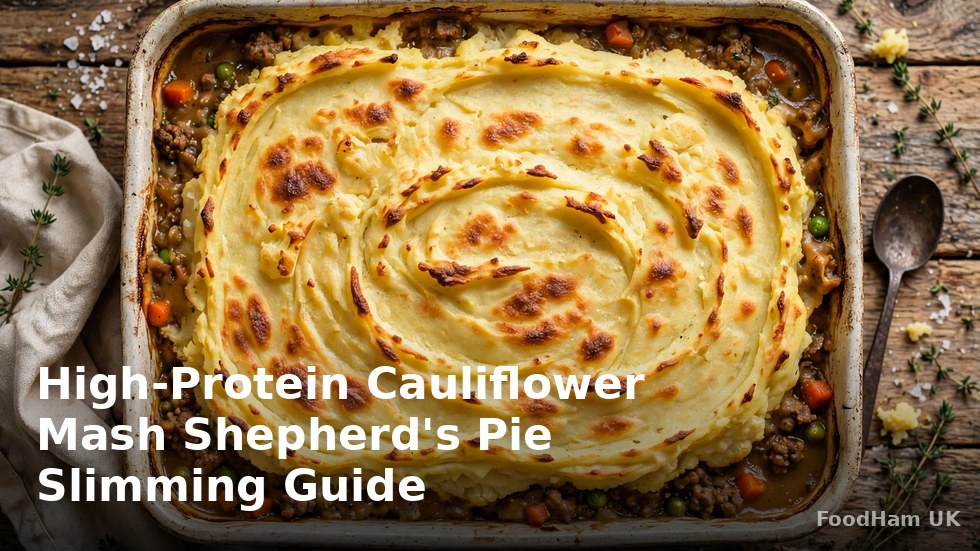
High-Protein Cauliflower Mash Shepherd’s Pie Slimming Guide
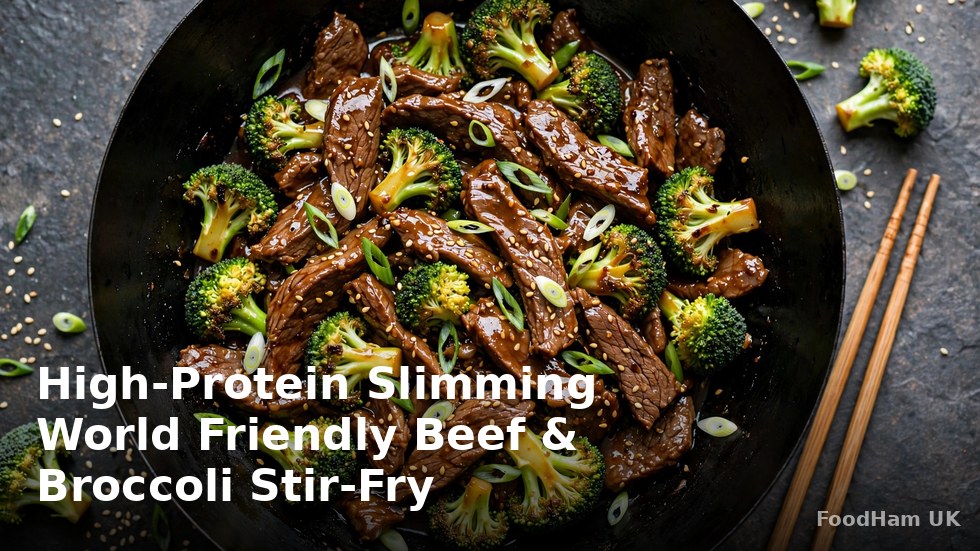
High-Protein Slimming World Friendly Beef & Broccoli Stir-Fry